

Video games look nothing like they did a few decades ago. If you want to know why, start with 3D graphics. Gamers today expect worlds they can lose themselves in — smooth movement, unique looks, the whole package. But getting here took a wild mix of trial, error, big ideas, and a lot of guts.
Let’s dig into the evolution of 3D graphics in games, how all those different art styles started popping up, and why knowing this stuff actually makes modern games way more interesting.
Believe it or not, the story starts before PlayStations and monster gaming rigs. In the late ‘70s and early ‘80s, game developers started messing around with wireframes — just lines and shapes, barely enough to hint at depth. Real 3D wasn’t in the cards yet, but they went for it anyway.
Battlezone was wild—people had never seen anything like it, even though the graphics were super basic. Back then, just getting 3D to run was the whole point. Nobody cared about fancy visuals; the hardware just wasn’t up for it. So, developers put all their energy into making something different, not necessarily something pretty.
But those early games did more than work—they showed everyone you could actually build whole worlds in 3D. That idea stuck around, and honestly, it kicked open the door for all the bold art and weird experiments that came after.
Take a Closer Look at This: Mastering Off-Meta Picks for Better Results in Ranked Play
Then came the ‘90s, and everything just exploded. Suddenly, new consoles and PCs could do a lot more than flimsy wireframes. Developers got their hands on textured polygons, and games started to look and feel more real.
Games like Doom, Quake, and Super Mario 64? They didn’t just look cool — they changed the rules. Developers started playing with camera tricks, lighting, and perspective, learning as they went. Every year brought bigger leaps.
This is also when game art styles started to split off in different directions. Some games chased realism; others figured, “We can’t make it look real, so let’s make it look awesome instead.” That’s how games started to build their own visual personalities — something you still see today, and a big reason people connect emotionally with certain games.
Once the PlayStation 2 and Xbox hit the scene, developers got bold. More power meant bigger worlds, smoother characters, and room to try out new looks. This stretch of time was huge for 3D graphics.
Now, studios weren’t just copying reality. They got creative. Shadow of the Colossus used empty space and a stripped-down style to make you feel alone and small. Other games went the opposite way — cranking up the colors and exaggerating everything.
It stopped being all about the tech. Developers started to see that a unique art style could make a game stand out—even if the graphics weren’t super realistic. That mix of technical skills and creative flair really became important. And, honestly, that’s why games from this time still stick with people, even years later.
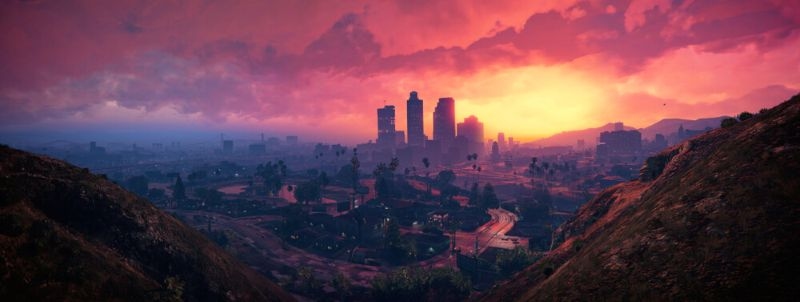
When the PlayStation 3 and Xbox 360 came out, it felt like the whole gaming world flipped. HD gaming wasn’t just a buzzword anymore—it was everywhere. Graphics got a serious upgrade. Textures popped, lighting effects got smarter, and physics finally took place.
When the PlayStation 3 and Xbox 360 came out, it felt like the whole gaming world flipped. HD gaming wasn’t just a buzzword anymore—it was everywhere. Graphics got a serious upgrade. Textures popped, lighting effects got smarter, and physics finally started to make sense.
Game engines these days let developers run wild. If you want a city that looks just like the real thing, go for it. Or maybe you’re after a world that feels like it’s been pulled straight from a painting—yeah, that’s possible, too. Honestly, anything in between works. That’s why games now come in every art style you can imagine.
You see it everywhere. Big-budget games go for photorealism, while indie titles experiment with hand-painted textures or wild color palettes. These days, 3D graphics don’t just show off hardware—they set the mood, steer the story, and create emotion.
If you look at the big picture, it’s clear that picking the right art style matters more than having the fanciest tech. Games with a strong visual identity look good even years later.
Don't Miss This: Mastering the Borderlands 4 Tips for Every Vault Hunter
There’s another piece folks sometimes miss: 3D motion graphics. You see these in intros, menus, trailers, and those slick cutscenes before the action starts. They set the vibe before you even hit “Start.”
Lately, motion graphics blend right into the gameplay. No awkward jumps, just smooth transitions that pull you in. As games get better at this, the gap between playing and watching almost disappears.
If you look back, motion graphics have shaped how players expect games to look and feel. They add polish and make everything feel bigger.
Knowing a bit about video game art styles lets you see the design choices behind your favorite games. The evolution of 3D graphics isn’t just about better hardware—it’s about fresh ideas for how games should look and feel.
Art style changes everything. Realistic games go for intensity, while stylized ones often feel timeless. When you get this, you can pick games that really speak to you. If you look back at the history of 3D graphics in video games, you start to realize just how much games have changed—and why they look the way they do now.
Honestly, things are only getting wilder from here. Real-time ray tracing, VR, AI—you name it, they’re all shaking things up and letting developers try stuff we couldn’t even dream about a few years ago.
But it’s not all about chasing the newest tech. Some studios are digging up old-school art styles and mixing them with new tools. So you get that hit of nostalgia mixed with fresh ideas. It keeps things interesting, and, honestly, it means we’re in for more surprises down the road.
For players, this just means more choices. More games that actually catch your eye—now and in the future.
Read More: Discover New Cozy Games Bringing Joy to Gamers in 2025
3D graphics took games from clunky experiments to actual works of art. When you see how much they’ve evolved, it’s pretty clear: tech and creativity have always gone hand in hand.
And with today’s games, you can tell visuals aren’t just about looking “real.” They’re about showing off something different—something with personality.
It’s all about how game visuals have grown—starting with basic shapes and moving toward detailed, living worlds.
Art styles give games their personality. They shape the mood, the experience, and even how well a game holds up years later.
They kick up the storytelling—cinematic intros, menus, and cutscenes all blend into the game and set the tone.
Not really. Lots of developers love stylized art because it stands out and sticks with you.
This content was created by AI